- Solve real problems with our hands-on interface
- Progress from basic puts and calls to advanced strategies
Interactive Options Course
Finance Courses
This series of lessons will help deepen your understanding of options and discuss the many available TWS tools investors can use to analyze the market before making a trade. Each lesson focuses on a single tool or approach to a valuable concept about the options market.
This course is designed to help investors understand the different types of margin accounts, methods, and requirements as well as how to monitor margin on both the TWS and mobile devices. Trading on margin is only for sophisticated traders. You may lose more than your initial investment.
Whether you are new to options or want to brush up on some risk basics, or you are learning TWS and want to know how to locate option fields and data, our Introduction to Options course is an excellent first step.
This is a course in programming with the Trader Workstation Application Programming Interface (TWS API) for Python developers. In this course, we describe how to get started in developing Python applications that use the API.
For most money managers, risk management is a key component to investing. The ARC Risk Navigator is a powerful standalone portfolio monitoring tool built to measure and aggregate real and what-if position exposure across all asset classes.
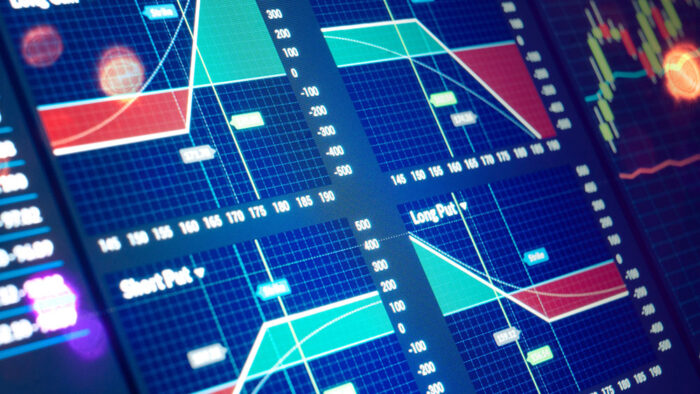
Understand a few of the popular option strategies, plus how to define long calls and puts, covered calls and puts, and short puts. For each of the popular option strategies discussed, determine the: Market Outlook, Volatility View, Profit Potential and Loss Potential. Examine how to practically construct these basic option strategies using an online trading platform.
This course introduces the user to several algos available in TWS and provides a detailed overview of several complex orders that can help maximize your returns by providing a better fill at the most advantageous destination subject to customized rules.
This course is designed to help investors understand the implications of trading outside of their domestic market. The goal is to help investors be aware of available markets, trading permissions and market data available through Arclight Capital.
There are two types of analysis used by traders to inform their trading decisions. Technical analysis and fundamental analysis. In this course, you will learn about the various patterns, indicators, and analysis techniques traders use when studying the price of a commodity. We will start at the beginning by learning how to read price charts. Then we’ll cover some of the more popular techniques such how to identify trend and reversal patterns, finding support and resistance levels, and various oscillators.
Learn how to define short straddles and short strangles; learn how to construct these option strategies and under what conditions they may pose positive or adverse effects on profits and losses and understand how to calculate breakevens, as well as learn about the roles of implied volatility and time value.
This course by State Street Global Advisors will discuss ETF trading factors, market structure and executions, liquidity considerations and ETFs and market volatility events.
ARC's Block Execution desk can help handle order flow and source liquidity for busy stock, option, and bond investors.
Arclight Capital offers the ability to trade, monitor and manage your ARC account using a single RESTful API. This course will explore the API with code examples.
R has an array of R-packages for automated trading and performance analytics for back testing and analyzing trading strategies. The IBrokers package has been created by Jeffrey Ryan and is currently maintained by Joshua Ulrich.
ETFs resemble mutual funds in structure but can be traded throughout the day like stocks. Direxion offers leveraged ETFs — daily trading tools that are designed to help increase exposure and stay agile in rapidly changing markets.
Through this course, we’ll cover the essentials of what agricultural commodities are, how they’re traded, and the types of participants active in the markets. We’ll also explore some of the major risks these products face, and official reports that can provide some ways that traders and investors can anticipate, and generally mitigate them. We’ll also provide some real-world examples of how agricultural commodities can impact financial markets, economies, and global trade.